• Skip to primary navigation
  • Skip to main content
  • Skip to primary sidebar
  • Skip to footer
  • Home
  • Our Story
  • Animals
  • World
  • History
  • People
  • Random
  • Im So Clever
Clever facts for clever people

Im So Clever

Clever Facts For Clever People

Facts About Plastics – 25 Fun Plastic Facts WOW!

September 13, 2021 by Im So Clever

facts about Plastics


Are you curious to learn some weird and wonderful facts about Plastics?

If so, excellent! You are in exactly the right place my friend…

It’s time to chat about Plastics facts.

Let’s dive right in…


Facts about Plastics


1 – Plastic is made up of long chains of carbon and hydrogen molecules.

2 – Most plastics are not biodegradable, so they never really go away. It takes 500 years for a plastic bottle to break down into small pieces when thrown out on the ground.

3 – Recycling one ton of plastic saves the same amount of energy as burning 43 barrels of oil or taking 1,000 cars off the road for a year.

4 – More than one million seabirds and 100,000 marine mammals die every year from eating or getting caught in plastic trash in the ocean.

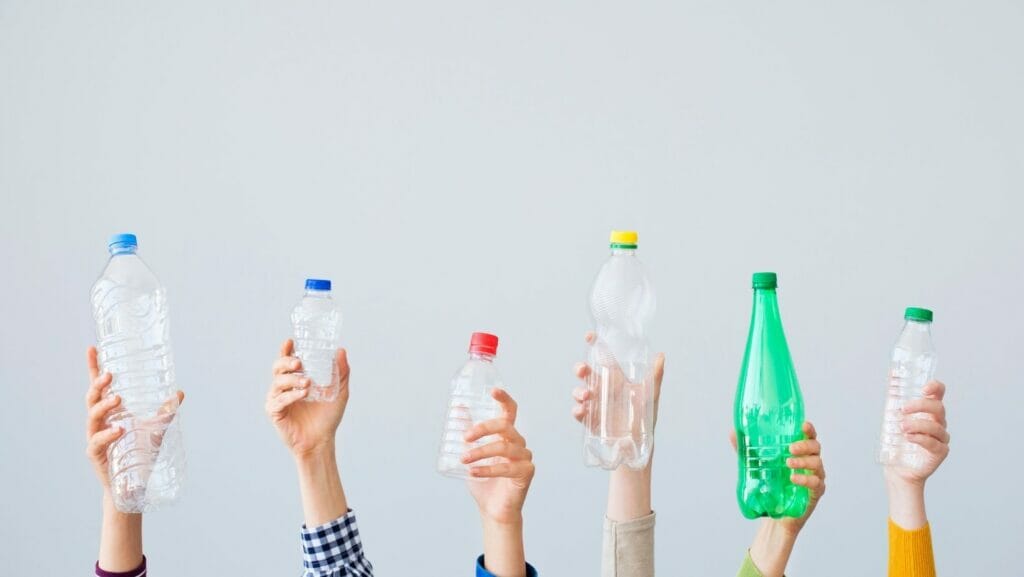
5 – There are three types of plastics – polyethylene terephthalate (PET), high-density polyethylene (HDPE) and low-density polyethylene (LDPE). PET is used for water bottles; HDPE is used in milk jugs and LDPE is used in grocery bags.

facts about Plastics

More Facts about Plastics


6 – The average American throws away about 185 pounds of plastic per year.

7 – A single piece of chewing gum can take up to 15 years to decompose.

8 – Americans use 500 billion straws every year.

9 – The first disposable diaper was created in 1947 by Marion Donovan for her grandson who had sensitive skin.

10 – There are different types of plastic, including polyethylene terephthalate and polyvinyl chloride. The most commonly recycled type of plastic is PET (polyethylene terephthalate).


facts about Plastics


More Facts about Plastics


11 – Recycling a pound of plastic saves the equivalent in energy that would power a 100-watt light bulb for 20 hours.

12 – Some plastics can be recycled more than once before they need to be disposed of for good.

13 – Every piece of plastic ever created still exists today (except for what we have burned).

14 – Plastic takes about 450 years to decompose and it never disappears completely – even if it breaks down into smaller pieces, those small pieces can still cause harm to animals and people who come into contact with them.

15 – There are at least 5 trillion pieces of plastic in the ocean right now.


facts about Plastics

More Facts About Plastics


16 – Bags made out of this type of plastic are not recyclable because they have mixed materials in them. You should reuse your shopping bags whenever possible so you’re not using new ones every time.

17 – There are two types of plastics – one type is made from oil or natural gas, while the other comes from coal. The first type of plastic has a higher carbon footprint than the second because it requires more energy to produce.

18 – Americans use 500 billion plastic bags per year.

19 – More than 50% of all plastics ever produced are still on the planet today and only 9% has been recycled or incinerated.

20 – The first plastic ever made was celluloid, which is a nitrocellulose-based plastic that can be dissolved with acetone or alcohol.


facts about Plastics

More Facts About Plastics


21 – Leo Baekeland invented plastic in 1907 accidentally when he created Bakelite.

22 – Baekeland was created when he combined formaldehyde with phenol, a waste product of coal, and subjected the mixture to heat.

23 – he most common type of plastic today is polyethylene terephthalate (PET). We use PET for water bottles, food containers, and clothing fibers because it’s lightweight and cheap to produce.

24 – The word plastic comes from the Greek plastikos meaning “to mold” or “to give form.”

25 – There are three main types of plastics – thermoplastics, thermosets, and elastomers. Thermoplastics can be recycled but they need to be heated up first before they can be remolded into new items like bottles or containers.

Plastic is a man-made material, usually made from petroleum.

Plastics are synthetic polymers of high molecular weight.

The U.S uses about 19 million barrels of oil per day for plastics production.

HDPE and LDPE are less expensive than PET but can still be recycled at the end of its life cycle.

Recycling one water bottle saves enough energy to power an average home in Europe for six hours or charge your smartphone 20 times.

In the 1950s, less than 1% of plastics were recycled; today that number has increased to 10%.

In the late 1800s, scientists were trying to find a way to make artificial silk and they discovered that heated nitrocellulose made a sticky substance which could be molded when cooled.

By World War II, plastics had become commonplace for making all sorts of consumer products because they are relatively inexpensive and easy to mold into any shape.


If you enjoyed this post, please feel free to share it!

Filed Under: History

Reader Interactions

Primary Sidebar

Categories

  • Animals
  • History
  • People
  • Random
  • World
  • Facts About Zombies – 25 Fun Zombies Facts To WOW You!
  • Facts About Your Body – 25 Fun Your Body Facts To WOW You!
  • Facts About Winter – 25 Fun Winter Facts To WOW You!
  • Facts About Werewolves – 25 Fun Werewolves Facts To WOW You!

Footer

  • Privacy Policy

Copyright © 2026 · Splendor Theme on Genesis Framework · WordPress · Log in